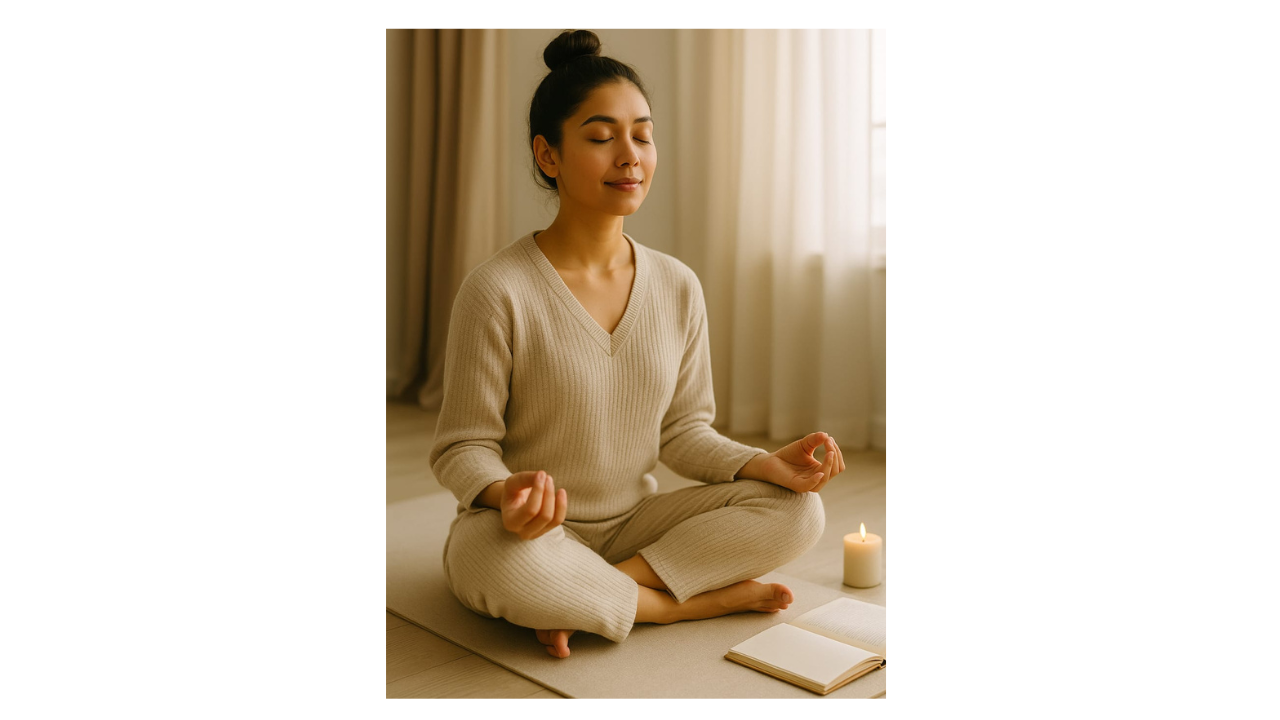
Introduction
In today’s fast-paced lifestyle, stress has become extremely common. Whether it is work pressure, academic expectations, relationship issues, financial challenges, or social media comparisons, stress affects almost everyone. It can show up as anxiety, irritability, headaches, mood swings, poor sleep, and even physical health problems.
The good news?
You can manage stress naturally with simple, effective stress management techniques that calm your mind and help you regain control of your thoughts and emotions.
This detailed guide explains the causes of stress, the most effective stress management techniques, relaxation practices, lifestyle habits, and FAQs—giving you a complete solution for a healthier, stress-free mind.
What Causes Stress?
To manage stress effectively, it’s important to understand the triggers. Here are the most common causes:
- Workload & Deadlines
Long working hours, target pressure, and lack of time management increase mental stress.
- Relationship Issues
Miscommunication, emotional conflicts, or breakups create emotional and psychological stress.
- Lack of Sleep
Sleeping less than 6–7 hours affects mood, energy, and mental clarity.
- Financial Pressure
Bills, loans, and expenses often create long-term stress.
- Social Comparisons
Constant scrolling on social media causes insecurity, low self-esteem, and anxiety.
- Overthinking
Negative thoughts and “what-if” situations drain mental energy.
- Hormonal Imbalance
Cortisol (stress hormone) spikes due to poor lifestyle habits.
- Life Changes or Trauma
Breakups, job loss, grief, or past trauma can cause long-term stress patterns.
Once you recognize your stress triggers, it becomes easier to control them.
“If you are also dealing with skin issues due to stress, you can check out these home remedies for clear, acne-free skin for natural healing.”
10 Best Stress Management Techniques
Below are scientifically proven techniques that help reduce stress, improve emotional balance, and promote mental clarity.
- Deep Breathing Exercises
Deep breathing activates the parasympathetic nervous system—the part of your body responsible for relaxation.
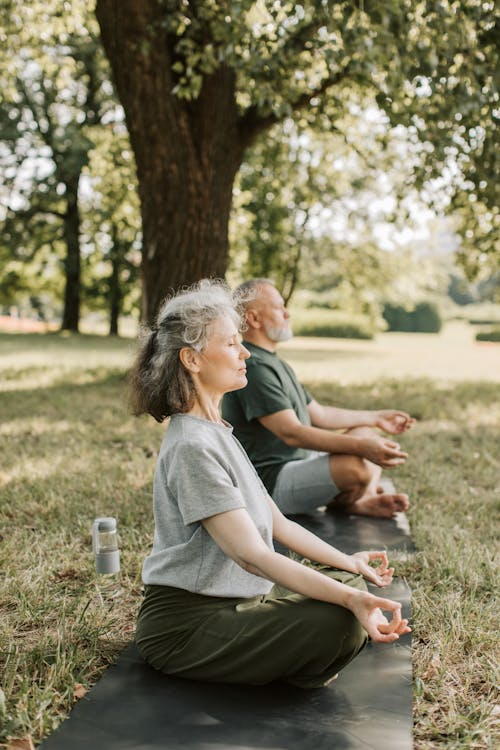
How to Do It: 4-2-6 Method
Inhale for 4 seconds
Hold for 2 seconds
Exhale slowly for 6 seconds
Repeat 10 cycles
Benefits
✔ Reduces anxiety
✔ Lowers heart rate
✔ Calms the nervous system
✔ Helps in quick stress relief
Do this anytime you feel overwhelmed.
- Meditation & Mindfulness
Meditation is one of the most powerful stress management techniques.
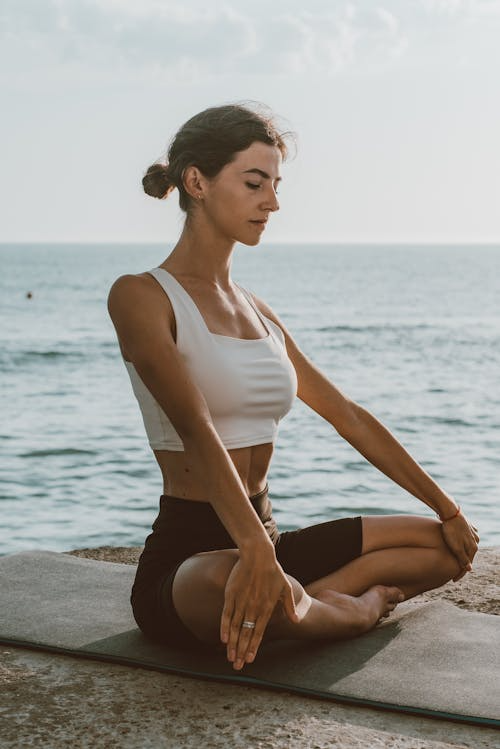
How Meditation Helps
Reduces negative thoughts
Improves focus
Controls emotional reactions
Increases patience & clarity
How to Start
Sit comfortably
Close your eyes
Focus on breathing
Start with 5 minutes daily, then increase to 10–15 minutes
Mindfulness means being present—simply observing your thoughts without judgment.
- Journaling (Mind Dump Technique)
Writing your thoughts helps release emotional pressure.

How to Do It
Take a notebook
Write everything you feel
No grammar rules
Just express
Benefits
✔ Reduces overthinking
✔ Clears mental clutter
✔ Helps organize thoughts
✔ Improves emotional awareness
Try writing for 10 minutes before bed.
- Physical Activity & Movement
Exercise releases endorphins—your body’s natural “happy hormones.”
Best Stress-Relieving Exercises
Walking
Yoga
Zumba
Cycling
Skipping
Gym workouts
Dance
Why Exercise Helps
✔ Improves mood
✔ Reduces cortisol (stress hormone)
✔ Boosts energy
✔ Enhances sleep
Even a 20-minute walk daily can significantly reduce stress levels.
- Limiting Screen Time
Excessive screen use leads to eye strain, anxiety, mental exhaustion, and sleep problems.
Tips to Reduce Screen Stress
Avoid phone 1 hour before bed
Turn off notifications
Use apps to limit social media
Take a 5-minute break every hour
- Talking to Someone (Emotional Venting)
Sharing your thoughts with a trusted friend, family member, or counselor reduces emotional load.
Why It Helps
✔ Releases emotional tension
✔ Provides new perspective
✔ Builds emotional connection
Talking is healing—don’t bottle up emotions.
- Progressive Muscle Relaxation (PMR)
This technique reduces physical tension caused by stress.
How to Do It
Start with your feet
Tighten muscles for 5 seconds
Release
Move upward (legs, stomach, shoulders, face)
Benefits
✔ Improves relaxation
✔ Reduces fatigue
✔ Helps with sleep
- Grounding Techniques (For Instant Relief)
Grounding helps bring your mind back to the present.
5-4-3-2-1 Method
5 things you can see
3 things you can hear
2 things you can touch
1 thing you can smell
Great for anxiety or panic moments.
- Aromatherapy for Stress Relief
Certain natural scents reduce stress and promote calmness.
Best Essential Oils
Lavender
Chamomile
Eucalyptus
Peppermint
Sandalwood
Use in diffusers, candles, or massage oils.
- Listening to Relaxing Music
Soft, soothing music reduces stress hormones.

Best Music for Stress Relief
Instrumental
Nature sounds
Meditation music
Slow melodies
Music therapy is scientifically proven for mental relaxation.
According to the American Psychological Association (APA), stress can affect mental and physical health. Read more here.
Lifestyle Habits for a Stress-Free Mind
- Sleep 7–8 Hours Daily
Good sleep resets the brain and reduces irritability.
- Eat Healthy Food
Include:
Fruits

Vegetables
Whole grains
Nuts & seeds
Avoid: junk, caffeine at night, excess sugar.
- Maintain Work-Life Balance
Take breaks, set boundaries, prioritize self-care.
- Practice Gratitude
Write 3 things you’re thankful for daily.
- Stay Hydrated
Dehydration increases fatigue & stress.
- Stick to a Routine
A regular schedule reduces confusion & mental pressure.
- Spend Time with Nature
A 10-minute walk outdoors boosts mental health instantly.
Home Remedies for Stress Relief
- Herbal Teas
Chamomile
Green tea
Ashwagandha tea
Lemon balm tea
These calm the nervous system naturally.
- Warm Water Bath
Reduce body tension & improves sleep.
- Oil Massage
Coconut or sesame oil massage relaxes nerves.
- Sunlight Exposure
Boosts Vitamin D → elevates mood.
Conclusion
Stress is a natural part of life—but it doesn’t have to control you. By practicing these stress management techniques daily, you can calm your mind, maintain emotional balance, and improve overall health.
Deep breathing, mindfulness, exercise, journaling, and healthy lifestyle choices make a powerful combination for long-term stress relief. Remember: managing stress is not about avoiding problems, but learning how to handle them with clarity and confidence.
FAQs:
Stress Management Techniques
- Can stress cause health issues?
Yes, it may lead to headaches, anxiety, low immunity, poor digestion, and high blood pressure.
- How long should I meditate daily?
Beginners can start with 5–10 minutes and gradually increase.
- Does exercise really reduce stress?
Yes, physical activity releases endorphins which elevate your mood.
- Can stress affect sleep?
Absolutely—stress disrupts sleep cycles and causes insomnia.
- What is the fastest way to reduce stress?
Deep breathing, grounding, and stepping away from the trigger help instantly.



One thought on “Stress Management Techniques for a Healthier Mind”